SUMMARY: On January 28, 2025, the Trump administration issued an order to temporarily freeze all federal grants and loans, aiming to review spending in line with new policy priorities. This action has immediate implications for businesses and state agencies that rely on these funds, potentially causing disruptions in operations, delays in projects, and necessitating budget adjustments. Nonprofits, educational institutions, and health services are among the sectors most directly affected, with potential for layoffs, service reductions, and delays in infrastructure projects. Legal challenges have already emerged, with a federal judge temporarily blocking the freeze, indicating a complex legal and political battle ahead that will determine the future of federal funding distribution.
The Impact of Trump’s Federal Grants and Loans Freeze on Businesses and State Agencies
On January 28, 2025, the Trump administration announced a significant policy shift with an order to temporarily freeze all federal grants and loans. This directive, effective at 5 p.m. ET on the same day, has sent ripples across various sectors, particularly affecting businesses and state agencies that rely on federal funding. Here’s an analysis of what this means for these entities.
What Does the Freeze Entail?
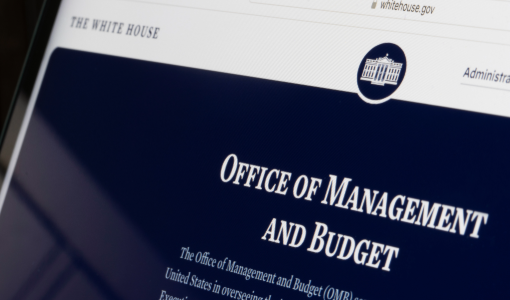
The freeze, as detailed by the Office of Management and Budget (OMB), aims to review federal spending to align it with the administration’s priorities, explicitly targeting what it terms as “Marxist equity, transgenderism, and green new deal social engineering policies.” This pause does not affect direct individual assistance programs like Social Security or Medicare but impacts a wide range of federal financial assistance, including grants for education, health care, infrastructure, and environmental programs.
Impact on Businesses
- Nonprofits and Small Businesses: Many nonprofits and small businesses depend on federal grants for their operations, from research to service provision. With this freeze, organizations like Meals on Wheels have expressed concerns about their ability to continue services, potentially leading to layoffs or closure of services if the funding doesn’t resume promptly.
- Research and Development: Companies, especially in sectors like health care and technology, often collaborate with federal agencies through grants for R&D. The immediate halt could delay projects, impact innovation, and potentially lead to loss of competitive edge internationally.
- Education: Businesses involved in educational services or those that offer student loans could see disruptions. The uncertainty around student loans and educational grants could affect enrollment and financial planning for both institutions and students.
Impact on State Agencies
- Budget Uncertainty: State agencies often plan their budgets around anticipated federal funds. This freeze could create significant budgetary uncertainty, potentially forcing states to either cut services or find alternative funding sources, which might not be immediately available.
- Infrastructure Projects: Many infrastructure projects, from highways to broadband expansion, depend on federal grants. Pausing these funds could delay projects, increase costs due to inflation in construction materials, and disrupt public works schedules.
- Health Services: State health departments that rely on federal grants for programs like Medicaid, SNAP, or public health initiatives could face immediate challenges, impacting health service delivery and potentially leading to health care access disparities.
Legal and Political Ramifications
- Litigation: The order has been met with swift legal challenges. States and organizations are preparing lawsuits asserting the freeze violates congressional appropriations. The immediate response from a federal judge to temporarily block the freeze indicates a potential legal quagmire that could further delay the disbursement of funds.
- Congressional Response: There’s been significant pushback from both sides of the political spectrum, with Democrats lambasting the move as unconstitutional and Republicans either supporting or remaining silent on the issue, highlighting a divide over executive versus legislative control over federal spending.
The Trump administration’s decision to freeze federal grants and loans has immediate and far-reaching implications for businesses and state agencies. While the intention is to realign federal funding with specific policy objectives, the execution has introduced chaos, uncertainty, and potential economic repercussions. Businesses and state agencies must now navigate this uncertainty, potentially preparing for the worst while hoping for a swift resolution or a rollback of the policy. As the situation unfolds, all eyes will be on the legal outcomes and subsequent policy adjustments that could either mitigate or exacerbate the current crisis in federal funding.